

For decades, alcohol companies could rely on one thing: every new generation would drink just like the last one maybe even more. But that assumption is cracking fast.
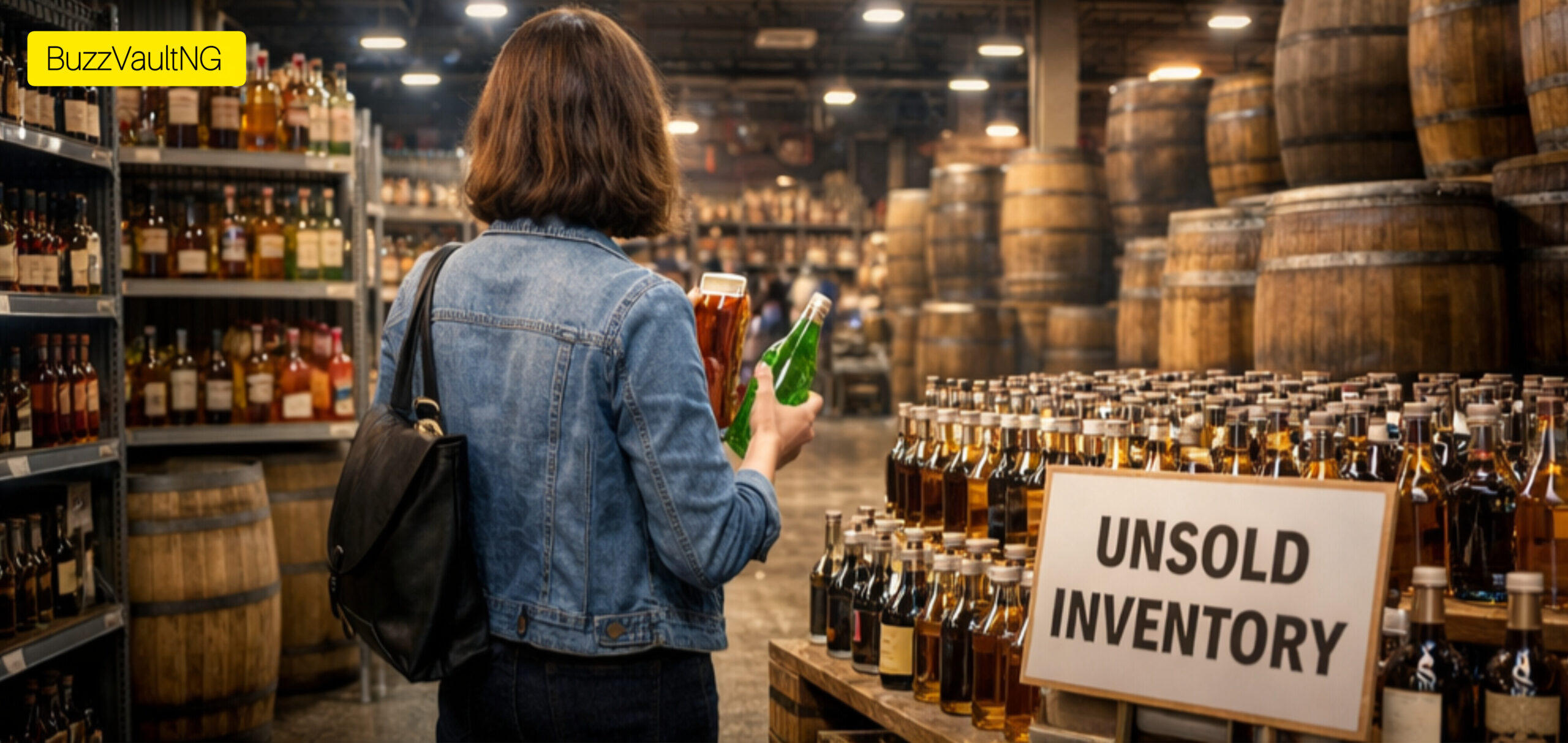
Today, some of the world’s biggest alcohol producers are sitting on about $22 billion worth of unsold drinks, and it’s raising eyebrows across the industry. Even more interesting? Younger people, especially Gen Z, are a big part of the conversation.
So what’s really going on?
The $22 Billion Reality (No Hype, Just Facts)
Reports show that five of the world’s largest alcohol companies — including global giants behind whisky, cognac, tequila, and other spirits — have built up massive stockpiles of unsold products.
Important detail:
👉 This doesn’t mean they’ve lost $22 billion in cash already.
👉 It means they’re holding inventory that hasn’t been sold, which can hurt profits if demand stays weak.
Still, for an industry built on steady consumption, that’s a serious warning sign.
 Gen Z Isn’t Drinking Like Their Parents And That Matters
But Let’s Be Honest: Gen Z Isn’t the Only Reason
Blaming everything on young people would be lazy.
Other big factors are at play:
• Overproduction during the pandemic when demand briefly surged
• Rising living costs leaving people with less money for premium drinks
• Changing social habits, including fewer nights out
• A global shift toward moderation, not excess
Put together, these trends have slowed sales across many markets not just among young people.
Why Some People See This as a Good Thing
For many observers, this moment feels like a reset.
• Less alcohol consumption can mean:
• Fewer alcohol-related health problems
• Less pressure on young people to drink
• More space for intentional, healthier choices
Instead of mindless consumption, people are asking: Do I actually want this?
That question alone is powerful.
How Alcohol Companies Are Responding
The industry isn’t giving up. Instead, it’s adapting:
• Cutting back on production
• Pushing zero-alcohol and low-alcohol drinks
• Rethinking how they market to younger audiences
• Adjusting prices to move excess stock
The message is clear: the old playbook no longer works.
The Bigger Picture
This isn’t just about alcohol. It’s about how culture changes.
Gen Z is proving that traditions aren’t permanent and industries that refuse to adapt will feel the pressure. Whether you see it as a business problem or a social win, one thing is certain:
Drinking culture is changing, and there’s no going back to “business as usual.”